Understanding Portion Control Without Restrictive Dieting: 15 Practical Strategies for Lifelong Balance
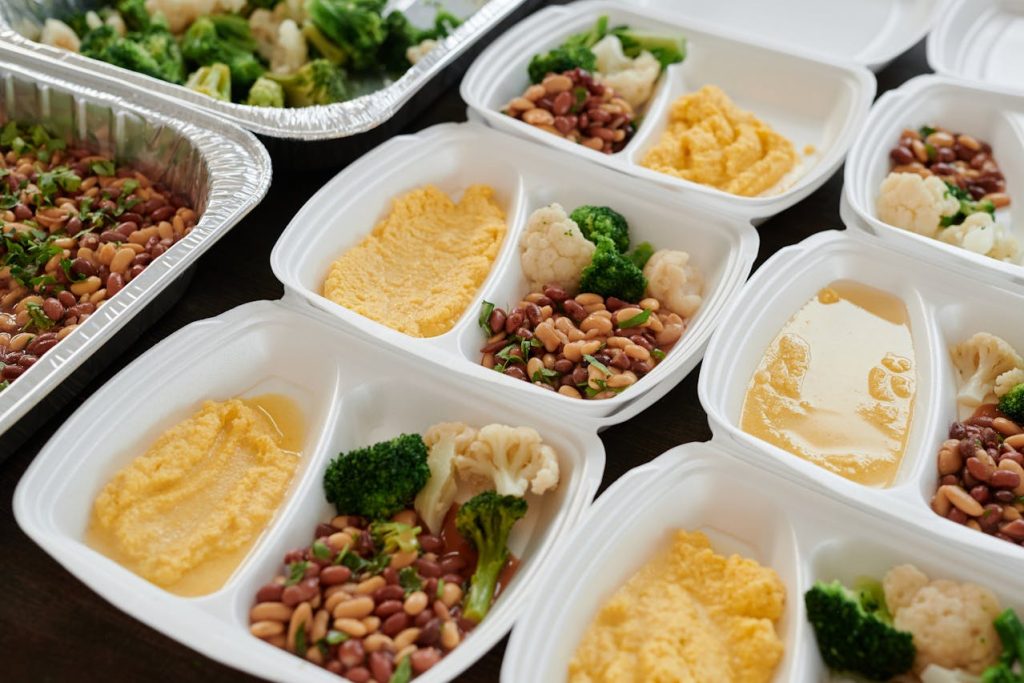
For many people, the words portion control immediately bring to mind strict rules, calorie counting, and feelings of deprivation. However, true portion control is not about restriction—it’s about awareness, balance, and listening to your body. Understanding Understanding Portion Control Without Restrictive Dieting allows you to eat enjoyably while still supporting long-term health.
Restrictive diets often fail because they ignore hunger cues, emotional well-being, and sustainability. In contrast, portion control focuses on how much you eat rather than what you must eliminate. According to the World Health Organization, healthy eating patterns that emphasize balance and moderation are far more effective for long-term health than rigid dietary rules.
This comprehensive guide explains portion control in a realistic, non-restrictive way—helping you build a healthier relationship with food while supporting energy, digestion, and overall wellness.
Why Portion Control Matters for Health

Portion size directly influences energy intake, digestion, and metabolic health. Even nutritious foods can contribute to discomfort or weight gain when consumed in excess. Practicing portion control helps:
-
Prevent overeating
-
Support stable energy levels
-
Improve digestion
-
Maintain a healthy weight naturally
Importantly, Understanding Portion Control Without Restrictive Dieting emphasizes moderation—not limitation.
Portion Control vs. Restrictive Dieting
Restrictive dieting relies on rigid rules, food bans, and external control. Portion control relies on internal awareness and flexibility.
Key differences include:
| Restrictive Dieting | Portion Control |
|---|---|
| Eliminates foods | Includes all foods |
| Relies on rules | Relies on awareness |
| Often short-term | Sustainable long-term |
| Can increase cravings | Supports satisfaction |
Portion control works with your body instead of against it.
The Role of Hunger and Fullness Cues

Your body has built-in signals that guide how much food it needs.
Hunger cues include:
-
Stomach growling
-
Low energy
-
Difficulty concentrating
Fullness cues include:
-
Comfortable stomach fullness
-
Reduced interest in food
-
Feeling satisfied, not stuffed
Learning to recognize these cues is central to Understanding Portion Control Without Restrictive Dieting.
Understanding Serving Size vs. Portion Size

A serving size is a standardized measurement on food labels. A portion size is how much you actually eat.
Portion sizes vary based on:
-
Hunger level
-
Activity level
-
Time of day
-
Individual needs
There is no single “correct” portion size for everyone.
Using the Balanced Plate Method
The balanced plate method is a simple, visual way to manage portions without measuring.
A balanced plate typically includes:
-
½ vegetables and fruits
-
¼ protein
-
¼ whole grains
-
Small amounts of healthy fats
This approach naturally controls portions while ensuring nutritional balance.
Mindful Eating and Portion Awareness

Mindful eating encourages you to be fully present during meals.
Helpful practices include:
-
Eating without screens
-
Chewing slowly
-
Noticing flavors and textures
-
Checking in with fullness halfway through meals
Mindfulness helps you stop eating when satisfied—not overly full.
Visual Portion Control Techniques
You don’t need a scale or measuring cups to manage portions.
Simple visual guides:
-
Protein ≈ size of your palm
-
Carbohydrates ≈ size of your fist
-
Fats ≈ size of your thumb
-
Vegetables ≈ at least half your plate
These tools make Understanding Portion Control Without Restrictive Dieting practical and stress-free.
Slowing Down to Eat Less Naturally
Eating too quickly bypasses fullness signals. Slowing down allows your brain time to register satisfaction.
Try:
-
Putting utensils down between bites
-
Taking sips of water
-
Extending meals to 20 minutes
This naturally reduces overeating without conscious restriction.
Portion Control at Home
At home, you can shape your environment to support portion control.
Helpful strategies:
-
Use smaller plates and bowls
-
Serve food in the kitchen instead of family-style
-
Store leftovers immediately
-
Pre-portion snacks
Environment matters more than willpower.
Portion Control When Eating Out
Restaurant portions are often much larger than needed.
Smart strategies include:
-
Sharing meals
-
Boxing half before eating
-
Ordering appetizers as main meals
-
Eating slowly and stopping when satisfied
These habits allow enjoyment without discomfort or guilt.
Emotional Eating and Portion Sizes
Emotions can influence how much we eat.
To manage emotional eating:
-
Pause before eating and assess hunger
-
Identify emotions driving the urge
-
Practice non-food coping strategies
Addressing emotions supports healthier portion choices.
Common Portion Control Myths
Some common misconceptions include:
-
Portion control means eating less all the time
-
You must count calories
-
Portion control causes hunger
-
Certain foods don’t count
In reality, portion control adapts to your needs and allows flexibility.
Long-Term Benefits of Non-Restrictive Portion Control
Practicing Understanding Portion Control Without Restrictive Dieting supports:
-
Sustainable weight balance
-
Better digestion
-
Improved energy levels
-
Reduced food guilt
-
Healthier relationship with food
These benefits build gradually and last longer than results from restrictive diets.
Frequently Asked Questions (FAQs)
1. Does portion control mean eating small portions?
No. It means eating portions that match your hunger and needs.
2. Can I still enjoy treats with portion control?
Yes. All foods can fit when eaten mindfully and in appropriate portions.
3. Is portion control better than calorie counting?
For many people, yes. It is more sustainable and less stressful.
4. How long does it take to adjust to portion control?
Most people notice improvements within a few weeks of practice.
5. Can portion control help digestion?
Yes. Smaller, balanced portions reduce bloating and discomfort.
6. Is portion control suitable for all ages?
Yes. It can be adapted for children, adults, and older individuals.
Conclusion
Understanding Understanding Portion Control Without Restrictive Dieting shifts the focus from rules and restriction to awareness and balance. Portion control is not about eating less—it’s about eating enough, mindfully, and with respect for your body’s signals.
By practicing mindful eating, using visual cues, and allowing flexibility, you can support long-term health without sacrificing enjoyment. Sustainable wellness begins with balance, not deprivation.