The Friendship Home: 19 Design Choices for Adults Who Actually Entertain
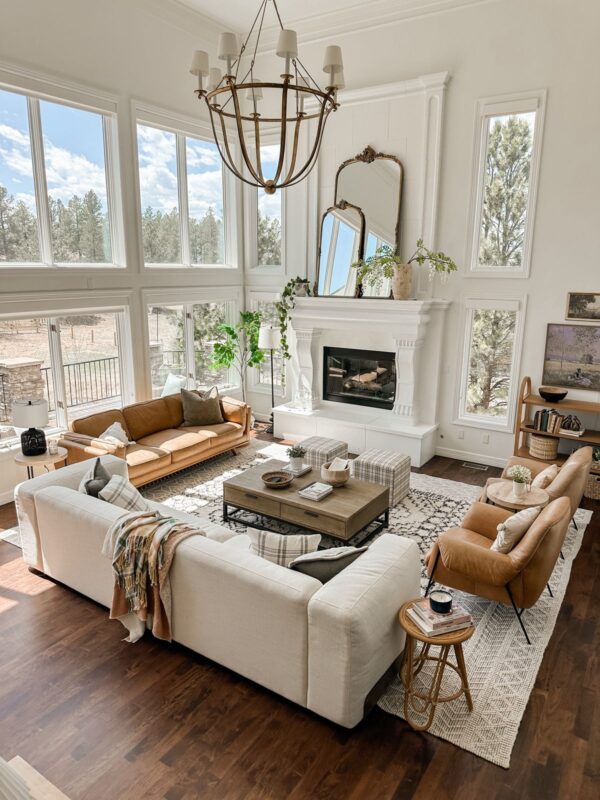
Some homes look beautiful but aren’t built for people. Chairs face a television instead of each other. Kitchens push guests away. The lighting is either too bright or too dim. When friends visit, everyone ends up awkwardly standing around the same small surface. A friendship home works differently. It’s designed for conversation, shared meals, spontaneous gatherings, and evenings that stretch longer than expected. These homes prioritize comfort, movement, and hospitality over formality. The following design choices help create spaces where guests feel relaxed enough to stay, talk, laugh, and return again.
1. Seating That Encourages Real Conversation

Many living rooms are arranged around a television, which works well for movie nights but not for conversation. If entertaining is a priority, consider arranging seating so people naturally face each other. Sofas paired with armchairs or a circular seating layout help guests interact easily without twisting or shouting across the room. Coffee tables within reach also make it easy to set down drinks and snacks. This simple layout shift turns your living space into a natural hub for meaningful conversations.
2. Coat Storage for a Crowd

A well-designed entertaining home plans for guests the moment they walk in. Instead of piling coats on a bed or chair, create an entry system that comfortably holds at least a dozen jackets. Wall-mounted hooks, a spacious coat closet, or a dedicated bench with storage baskets keep everything organized. When guests have a clear place to put their belongings, the entryway immediately feels welcoming and functional.
3. Pass the Bathroom Guest Test

Every entertaining home needs a bathroom that quietly supports guests. Fresh hand towels, visible toilet paper, soap that’s easy to use, and soft lighting all make a difference. A small tray with essentials,like lotion, tissues, and breath mints,shows thoughtful hospitality. When guests can find what they need without asking, your home passes the ultimate “guest bathroom test.”
4. Create Outdoor Seating Areas for Relaxed Gatherings

Outdoor spaces can dramatically expand a home’s ability to host friends comfortably. Even a small patio or balcony becomes valuable when it includes seating arranged for conversation. Choose durable lounge chairs, a weather-resistant sofa, or a simple circle of chairs around a low table so guests can relax and talk easily. Adding soft outdoor lighting or a fire pit also encourages people to stay longer once the sun goes down. When designed thoughtfully, outdoor gathering areas feel like an extension of the living room, giving guests another comfortable place to socialize during dinners, drinks, or casual weekend visits.
5. Add a Casual Home Bar for Easy Hosting

A home bar doesn’t have to be elaborate to make entertaining easier. A small cabinet, rolling bar cart, or dedicated shelf with glassware and bottles allows guests to serve themselves and keeps drinks organized in one place. This prevents the host from constantly moving between rooms to refill glasses. Storing wine glasses, cocktail tools, and non-alcoholic options together also helps gatherings flow naturally. When drinks are accessible and easy to prepare, the host can stay engaged in conversations instead of managing logistics behind the scenes.
6. Design a Kitchen Island That Invites Guests to Stay

The kitchen often becomes the social center of the home during gatherings. A generously sized island with comfortable seating allows guests to sit, talk, and watch food preparation without crowding the cooking area. Bar stools with supportive backs or cushioned seats encourage people to linger longer. This setup creates a relaxed environment where conversations happen naturally while meals are prepared. A well-designed island transforms cooking from a solitary activity into a shared experience, helping the host stay connected with guests throughout the evening.
7. Use a Butler’s Pantry to Keep Hosting Organized

When entertaining frequently, preparation and cleanup can easily spill into visible spaces. A butler’s pantry helps keep hosting organized by providing a hidden area for dishes, glassware, serving trays, and extra supplies. During gatherings, this space allows the host to prep drinks or arrange platters without cluttering the kitchen counters. It also provides storage for items that are only used when guests visit. By separating preparation from social areas, a butler’s pantry helps the main spaces remain calm and welcoming even during busy gatherings.
8. Add a Stylish Game Table for Friendly Competition

Games often bring energy and laughter to gatherings, and a well-designed game table can make these moments easy to enjoy. A modern ping pong table, card table, or convertible game surface encourages lighthearted competition without requiring a separate game room. Many contemporary designs double as dining or work tables when not in use. This flexibility makes the piece practical for everyday life while still supporting fun social activities when friends visit. Adding a game table creates an opportunity for interaction beyond conversation, making gatherings more dynamic.
9. Design Flexible Spaces That Adapt to Gatherings

Homes that host often benefit from rooms that can change depending on the number of guests. Flexible spaces might include movable chairs, lightweight stools, or nesting tables that can be rearranged quickly. This adaptability allows the same room to work for a quiet dinner with a few friends or a larger gathering. Flexible design also helps guests move comfortably throughout the space rather than feeling crowded in one area. When furniture can shift easily, the home becomes more responsive to social moments and different types of gatherings.
10. The Cheese Plate Surface

Every entertaining home needs a reliable surface for serving snacks. Whether it’s a coffee table, kitchen island, or sideboard, having a central place for charcuterie boards, drinks, and appetizers keeps gatherings organized. Guests naturally gather around food, so choosing a spacious, accessible surface encourages mingling and conversation.
11. Layer Lighting For Long Nights

When friends gather, evenings rarely follow a strict schedule. Lighting that works at 6 p.m. might feel too bright or harsh later in the night. Layered lighting allows you to adjust the atmosphere as the gathering evolves. Combine overhead lights with table lamps, wall sconces, or floor lamps so the space can gradually transition from bright and energetic to warm and relaxed. Dimmer switches also help control mood without disrupting conversations. When lighting adapts naturally to the evening’s rhythm, guests feel more comfortable staying longer and conversations flow more easily.
12. Use Flexible Furniture to Accommodate Different Gatherings

Homes that regularly host friends benefit from furniture that can adapt quickly to different group sizes. Lightweight chairs, stackable stools, nesting tables, or benches can easily be moved to create additional seating when needed. Flexible pieces prevent guests from feeling cramped while also keeping the room comfortable for everyday living. Instead of committing to a rigid layout, adaptable furniture allows the space to shift depending on the occasion, whether it’s an intimate dinner with a few friends or a larger gathering that requires extra seating and surfaces.
13. Keep the Entryway Warm

The experience of visiting a home begins the moment guests step through the door. A welcoming entryway helps set a relaxed tone for the rest of the evening. Simple features such as a small bench, a place for coats, soft lighting, and a tidy surface for keys or bags can make arrivals feel easy and comfortable. When guests immediately know where to place their belongings, the transition into the gathering becomes smoother. A thoughtful entryway signals hospitality and helps people settle in quickly so the focus can shift to conversation and connection.
14. Flexible Dining Seating

When hosting friends, dining areas often need to accommodate more people than usual. Flexible dining seating makes it easier to welcome additional guests without disrupting the flow of the evening. Benches, lightweight chairs, or stools can be pulled in when needed and stored away afterward. An extendable dining table is also a helpful feature for gatherings that grow unexpectedly. This flexibility ensures that everyone has a comfortable place to sit and share a meal. Thoughtful dining seating arrangements make the experience feel relaxed and inclusive rather than crowded or improvised.
15. The Late-Night Snack Station

Many gatherings continue long after dinner is finished, and guests often appreciate having easy access to small snacks or drinks later in the evening. A simple late-night snack station can include bowls of chips, fruit, or small treats placed on a kitchen counter or sideboard. Keeping water, glasses, and a few snack options nearby allows guests to help themselves without interrupting conversations. This small design choice makes hosting feel effortless and welcoming, especially during long evenings when people naturally begin looking for something light to eat.
16. Designate a Spot for Luggage

When friends stay overnight, even casually, having a designated spot for luggage can make them feel more comfortable and settled. A luggage rack, bench at the end of the bed, or a clear space in the guest room gives visitors a practical place to unpack or organize their belongings. This prevents bags from being placed on chairs or the floor and helps keep the room tidy. Small hospitality details like this show thoughtful preparation and help guests feel genuinely welcomed during overnight stays.
17. Create a Designated Dining Spot

Even in open-plan homes, it helps to create a clearly defined dining spot where meals and shared gatherings naturally take place. A dedicated dining table, dining nook, or corner with comfortable chairs encourages people to gather and stay engaged during meals. Good lighting, enough surface space for shared dishes, and easy movement around the table all contribute to a more relaxed experience. When the dining area feels welcoming and purposeful, guests are more likely to linger, talk, and enjoy the social side of eating together.
18. Plan for Morning-After Guest Comfort

When friends stay late, there’s always the possibility that someone ends up staying overnight. A thoughtful home design considers the guest experience the next morning as well. Small details like fresh towels, a bedside water carafe, spare phone chargers, and comfortable bedding can make guests feel truly welcome. Some hosts also create a simple morning setup with coffee supplies or breakfast essentials so guests can help themselves without feeling awkward. These small gestures transform an unexpected overnight stay into a relaxed and enjoyable experience.
19. Create a Comfortable Wind-Down Corner

During longer gatherings, some guests naturally drift into quieter conversations or need a moment away from louder areas. A comfortable wind-down corner with a chair, soft lighting, and a small table provides a gentle retreat without leaving the social environment completely. This space allows one-on-one conversations or a relaxed pause while still feeling connected to the rest of the gathering. Adding a cozy corner helps the home accommodate different personalities and energy levels during social events.
Wrap-Up
A home designed for entertaining goes beyond stylish furniture or perfectly arranged décor, it’s about creating spaces where friends feel comfortable lingering, talking, and sharing time together. From thoughtful seating layouts and welcoming entryways to flexible dining areas and relaxed lighting, small design choices can make gatherings feel effortless and enjoyable. The goal is a home that supports real conversations and meaningful moments. For readers of Home Designing, these ideas highlight how intentional design can transform everyday interiors into warm, social spaces where friendships naturally grow and memorable evenings unfold.