Pipe down, peanut gallery. Olympics only one way to measure success
CORTINA D’AMPEZZO, Italy — The Olympic podium is not the end-all, be-all. Even the Olympics themselves cannot define an athlete’s career.
It can seem that way, when the eyes of the world are trained on these 16 days and one moment – a medal, an act of sportsmanship, a catastrophe – has the power to change an athlete’s life. But that white-hot spotlight that burns athletes up at the Olympics as often as it elevates them is our failure, the result of our ignorance.
These sports we are sudden experts in exist outside the month or so every four years when most Americans are paying attention. The athletes who we’re casting judgment on because of their performance in a single event, maybe two, have entire careers that we know nothing about and, honestly, don’t care to.
We expect these athletes to deliver like show ponies during the Olympics – ignoring they’ve got an entire body of work outside the Games – and are ruthless when they don’t.
“The Olympics ask us to take a real risk on the world stage. One that requires courage and vulnerability to erroneous judgment and narratives built on a limited understanding of what this sport truly demands,” Mikaela Shiffrin wrote on social media on Friday, Feb. 13.
Shiffrin knows this better than most. She has more World Cup victories than any other Alpine skier, man or woman, and her 108 wins (and counting) is a record unlikely ever to be broken. Or, if it is, it will be decades from now.
She’s the only skier in history to win a World Cup in each of skiing’s six disciplines – downhill, super-G, giant slalom, slalom, combined and parallel – and she has the single-season record for wins with 17. Her 15 medals at the world championships are tied for most by any skier, man or woman, and her eight golds are second only to Christl Cranz, who skied for Germany from 1934 to 1939.
She also has two gold medals and a silver at the Olympics.
In other words, Shiffrin could put away her skis today and there would be little question that she’s the greatest skier of all time. Her legacy has long been secured, and nothing that happens at these 2026 Milano Cortina Olympics – good, bad or indifferent – will change that.
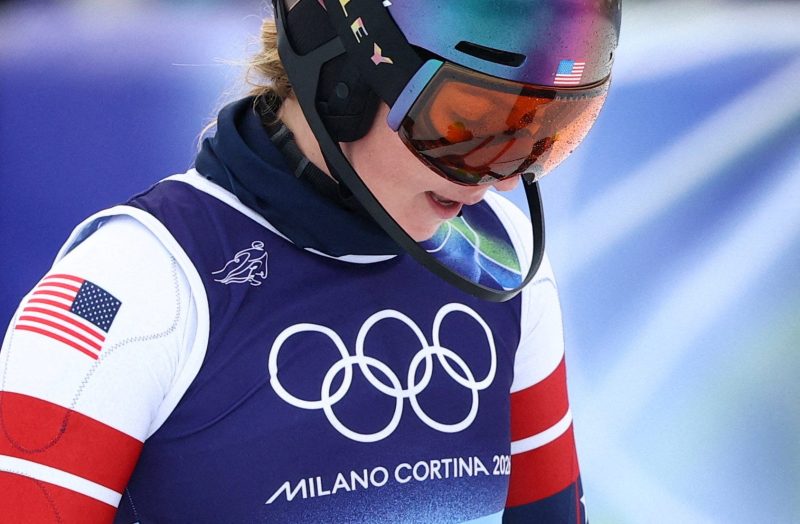
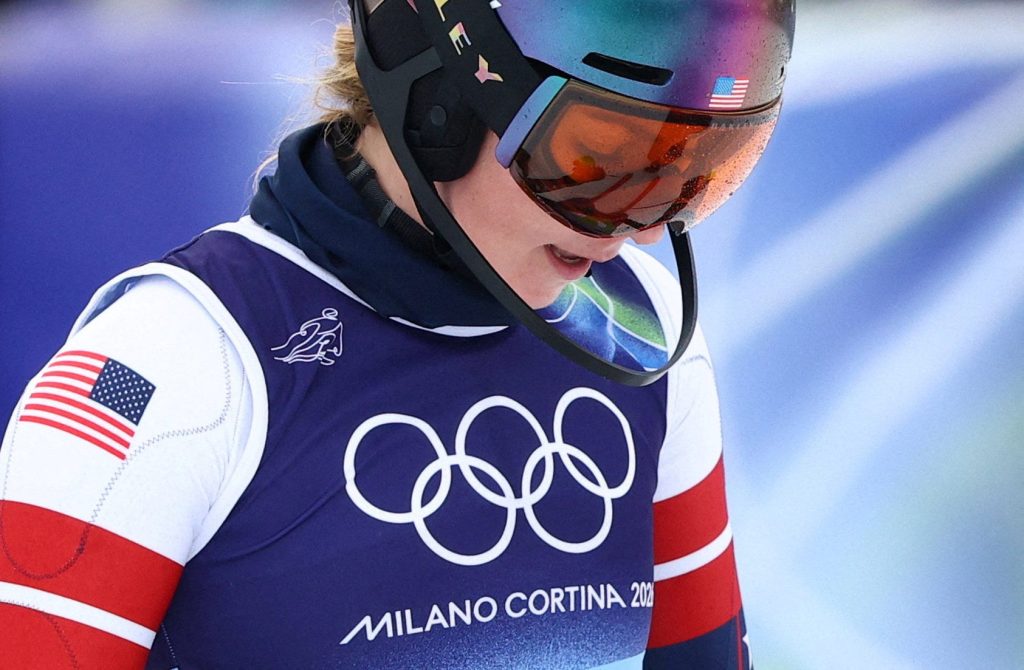
And yet, Shiffrin has already come in for criticism at these Olympics after a disastrous slalom run in the team combined.
Shiffrin was 15th out of 18 skiers in the slalom run, dropping her and Breezy Johnson from first to fourth place. It was Shiffrin’s worst performance in a slalom race in almost 15 years and immediately drew comparisons to the Beijing Olympics, where she skied out of three races and did not finish higher than ninth in an individual race.
The howling chorus is likely to grow louder after the giant slalom race Sunday, Feb. 15.
Despite the certainty of the armchair experts, Shiffrin is not a medal favorite in the race. Though one of her Olympic golds and two of her 12 season titles are in GS, she’s spent the last 15 months trying to regain her form in the discipline after the devastating crash that left her with a puncture wound in the abdomen and PTSD.
Her third-place finish in the last GS before the Olympics was her first podium in the discipline in two years. She has not won a GS race since December 2023.
If she wins a GS medal here, it will be a delightful surprise. If she doesn’t, it will be fine. A disappointment for her surely, but it will affect the rest of our lives not one bit. The best athletes don’t always perform their best at the Olympics, for any number of reasons, and that’s OK.
Swiss star Marco Odermatt is all but certain to win a fifth consecutive overall title this season, but he’s still oh-for-gold in Milano Cortina. Odermatt won his second silver of the Games in the GS on Saturday, Feb. 14, and also has a bronze. His only Olympic gold came four years ago in the GS.
Despite his epic meltdown in the free skate Friday, Feb. 13, Ilia Malinin is still a two-time world champion who has redefined figure skating and pushed its boundaries beyond what anyone thought possible. Chloe Kim didn’t become the first three-time gold medalist in the halfpipe, but she still won a silver despite a bum shoulder that will need surgery.
That’s not making excuses. That’s recognizing that athletes, even Olympic ones, are human.
There are many ways to define success, and limiting it to how someone’s done at an Olympics is both ill-informed and foolish. The Olympics are 16 days out of a career. To deem someone a failure or a choke job is to ignore all the wins it took just to get here. Just because you weren’t paying attention to those does not make them mean any less.
“I’m grateful to be here, motivated and excited for what’s next, and proud to be part of this American team. May we all champion one another, tread lightly on what we don’t fully comprehend, and have the fortitude to keep showing up,” Shiffrin wrote.
The Olympics are supposed to showcase the best of the best. And many times they do. When they don’t, however, they bring out the worst in those who are watching. That’s on us. No one else.
Follow USA TODAY Sports columnist Nancy Armour on social media @nrarmour.