How to Future-Proof Your Home Interiors
Home improvement is no longer just about fixing what’s broken. Nowadays, strategic investment is every bit as important. In the current UK property market, homeowners are increasingly looking for ways to add value to their properties while simultaneously reducing running costs and improving daily comfort. This dual focus on “form and function” has led to a resurgence in heritage-inspired design – upgrading our homes with modern technology that wears a classic mask.
Whether you’re embarking on a full-scale renovation or looking for impactful weekend upgrades, future-proofing your home requires a thoughtful approach to materials, heating, and layout. Here are a few simple ideas to help get the ball rolling.

The Shift Toward High-Thermal Mass Heating
One of the most significant trends in UK home improvement is the move away from “disposable” fixtures. For decades, standard thin-sheet steel radiators were the default choice for central heating. While they might be functional, they often lack the personality and thermal efficiency required for a truly high-end finish.
When renovating a room, savvy homeowners are now opting for column radiators. These units offer a significantly larger surface area than flat-panel versions, providing a more consistent and comfortable heat output. But move beyond the physics of heat, and you’ll find they offer an unmistakable architectural silhouette that works in both Victorian terraces and ultra-modern industrial lofts.
Because getting the right heat output is critical for efficiency, many renovators turn to experienced specialists. With in-depth knowledge of radiator performance, they can provide the technical expertise needed to ensure your chosen fixtures match the specific BTU requirements of your space.
By choosing these robust, multi-column designs, you aren’t just heating a room; you’re installing a permanent fixture that enhances your property’s structural character.
Investing in “Invisible” Efficiency
While visual upgrades naturally get the most attention, the most successful home improvements are often the ones you can’t see. Future-proofing your home means ensuring the building envelope is as efficient as possible:
- Advanced Insulation: Moving beyond simple loft rolls to high-performance spray foams or rigid boards can drastically reduce heat loss.
- Smart Thermostats: Zoned heating allows you to control the temperature of individual rooms, ensuring you aren’t wasting energy heating a guest bedroom or a hallway that isn’t in use.
- Glazing Upgrades: If full window replacement isn’t in the budget, look into secondary glazing or heavy thermal curtains to eliminate drafts.
Kitchens: The Heart of the “Hard-Wearing” Home
The kitchen remains the room where you’re likely to get the highest return on investment. However, the trend is moving away from ultra-glossy, fragile finishes toward more durable, natural materials.
Quartz and granite worktops are becoming the standard for those looking for longevity, but we are also seeing a return to “pantry-style” cabinetry. These modular, often hand-painted kitchens are easier to repair and refresh than integrated laminate units. If the colour scheme feels dated in five years, a simple sand and a fresh coat of eggshell paint can make the entire kitchen feel brand new – a hallmark of sustainable, future-proofed design.
Creating Multi-Functional Spaces
The way we live in our homes has fundamentally changed. The rise of hybrid working means that spare bedrooms are now being asked to function as offices, gyms, and sanctuaries.
To future-proof a layout, consider “broken-plan” living rather than “open-plan”. By using internal glass doors, shelving units, or even different floor levels, you can maintain the light and flow of an open space while providing the acoustic privacy needed for a home office.
This flexibility makes a home much more attractive to future buyers who may have varied lifestyle needs.
Lighting as an Architectural Tool
A common mistake in home improvement is treating lighting as an afterthought. To truly elevate a space, lighting must be integrated into the fabric of the building.
Consider “coffered” ceilings with hidden LED strips, or floor-level wash lighting in hallways. These additions create a sense of luxury and depth that “plug-in” lamps cannot achieve. Additionally, by switching to integrated smart lighting systems, you’ll be able to set “scenes” – lowering the lights and warming the tone for evening relaxation at the touch of a button or a voice command.
The Importance of Authentic Materials
There is a tangible difference between a home that uses authentic materials and one that uses “effect” materials (such as plastic wood-effect flooring). Authentic materials like stone, solid wood, and cast metals age gracefully. They develop a patina that adds to the home’s story rather than simply looking worn out.
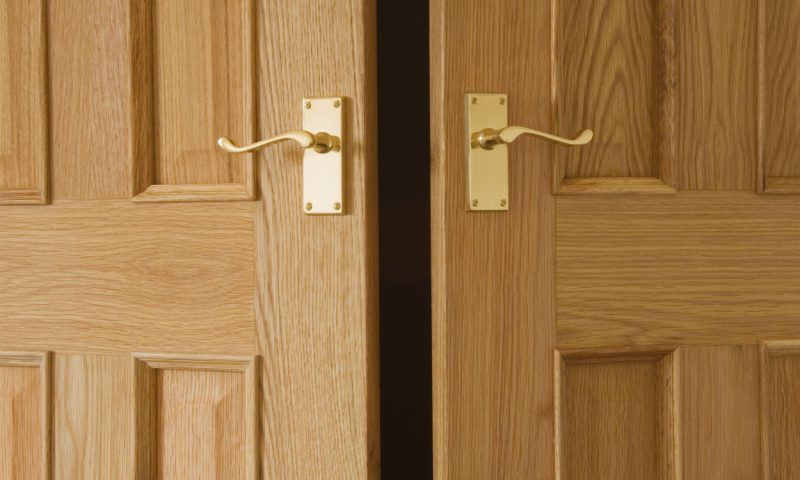
When you select fixtures that have a historical pedigree – such as traditional heating elements or solid brass ironmongery – you’re making a choice that transcends temporary fashion. These materials are inherently more sustainable because they do not need to be replaced every decade; they are built to last a lifetime.
Why Quality Matters in the Long Run
Ultimately, the goal of home improvement is to create a space that feels personal yet remains practical. By focusing on high-quality fixtures and seeking advice from reputable suppliers, you reduce the long-term maintenance burden of your home.
Choosing reputable installers ensures that the work carried out today will still be adding value to your property twenty years from now. In a world of “fast interiors”, the most radical and rewarding thing you can do is build something that lasts.
The post How to Future-Proof Your Home Interiors appeared first on UK Home Improvement.