The Plate Wall Comeback: 18 Ways to Do It Without Looking Like a Farmhouse Airbnb
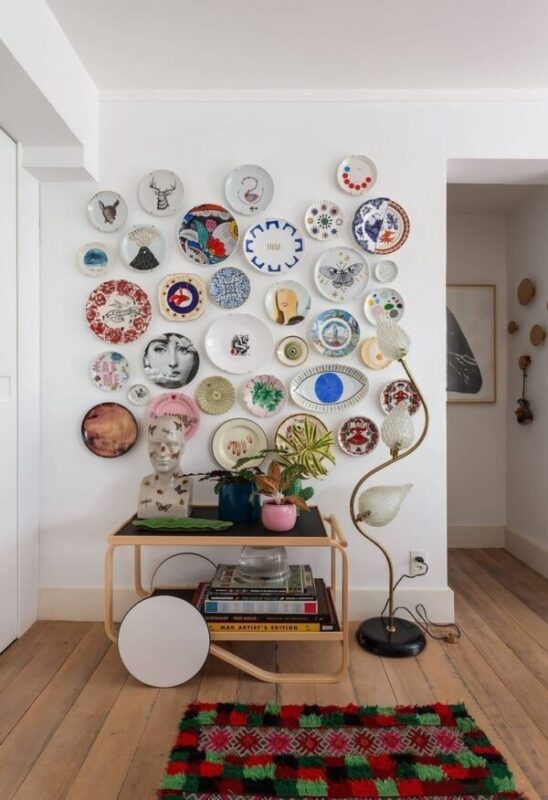
Decor trends have a way of circling back, but rarely in the exact same form. Plate walls are a perfect example. Once associated mostly with traditional dining rooms or farmhouse-style kitchens, they’re now showing up in every kind of space, from modern apartments to minimalist homes. The difference today is how they’re styled. Instead of predictable matching sets, designers are mixing eras, colors, and layouts to create displays that feel personal and layered. A plate wall works because it’s both decorative and storytelling. Each piece adds character, texture, and history. When arranged thoughtfully, it becomes a focal point that feels curated rather than themed. Here are 18 ways to embrace the plate wall comeback without falling into the overly rustic look many people are trying to avoid.
1. Mix Vintage Plates With Modern Pieces

The most interesting plate walls rarely rely on a single matching set. Mixing vintage finds with newer pieces creates contrast and character that feels intentional rather than decorative. A delicate antique plate can sit comfortably beside a modern ceramic design, giving the display a sense of history and personality. This approach prevents the wall from looking overly themed while allowing each plate to stand out in its own way.
2. Embrace an Eclectic Mix of Patterns

For a more relaxed and expressive look, mixing patterns can make the display feel lively and unique. Floral designs, geometric motifs, and hand-painted ceramics can all work together if the overall scale and spacing remain balanced. The result feels spontaneous and personal rather than overly coordinated.
3. Plates Around a Doorway

Using plates to frame a doorway is an unexpected way to extend a plate wall beyond a standard flat surface. Instead of limiting the display to one section of wall, arranging plates around the edges of a doorway creates a more immersive and architectural look. This approach helps connect different areas of a home while adding visual interest to spaces that are often overlooked. When done with balanced spacing and a consistent color palette, it feels intentional and modern rather than overly decorative or traditional.
4. Create a Salon-Style Gallery

If you prefer something more relaxed, a salon-style arrangement allows plates of different sizes to overlap visually. Instead of strict spacing, the display grows organically outward from a central piece. This method feels more collected and personal, making the wall look like it evolved over time rather than being installed all at once.
5. Combine Plates With Other Objects

A plate wall doesn’t have to consist only of plates. Mixing in framed artwork, small baskets, mirrors, or sculptural pieces can add depth and variety to the arrangement. This layered approach helps the display feel more like a curated gallery wall rather than a traditional china showcase. The contrast between ceramic plates and other materials, such as wood, glass, or woven textures, creates visual interest and balance. When arranged thoughtfully, combining different decorative elements makes the wall feel more dynamic, personal, and modern instead of overly themed or predictable.
6. Arching a Plate Display Above the Bed

A plate display doesn’t have to stay in kitchens or dining rooms. One of the most creative placements is above the bed, where plates can form a gentle arch that mirrors the shape of the headboard. This arrangement feels artistic and unexpected, turning the display into a soft focal point rather than traditional wall decor. Choosing plates in similar tones keeps the look calm and cohesive, while the curved layout adds movement that makes the wall feel thoughtfully designed.
7. Turn a Small Wall Into a Feature

A plate wall doesn’t have to cover a large space to make an impact. Even a small section of wall can become a striking feature when styled thoughtfully. Areas like kitchen corners, narrow hallways, or spaces above a small console table are perfect for a compact plate arrangement. By grouping a few plates together in a balanced layout, you can transform an otherwise empty wall into a focal poin
8. Using Plate Racks for an Effortless Display

Plate racks are a timeless way to display decorative dishes without committing to a permanent wall installation. Mounted racks allow plates to be arranged upright, making them easy to swap out or rearrange whenever you want to refresh the look. This approach works especially well in kitchens where plates can function as both decor and practical pieces. The rack itself also adds structure, giving the display a more architectural presence on the wall.
9. Styling Plates on Open Kitchen Shelving

Open kitchen shelving provides the perfect opportunity to incorporate decorative plates into everyday styling. Instead of hiding them in cabinets, plates can be leaned against the wall or layered with bowls and glassware. This creates depth and visual interest while still keeping the arrangement functional. Mixing decorative pieces with everyday dishes helps the display feel natural rather than staged, making the kitchen feel more personal and lived-in.
10. Framing a Bathroom Mirror With Plates

Bathrooms are an unexpected but charming place for a plate wall. Arranging small plates around a mirror creates a unique frame that adds personality without taking up extra space. Because bathrooms tend to be compact, even a small grouping can make a strong visual impact. Choosing ceramic plates with subtle patterns or textures keeps the display elegant while adding warmth to a space that often feels purely functional.
11. Keeping a Plate Wall in a Soft Neutral Palette

For homes with a calmer aesthetic, a plate wall doesn’t have to be colorful to stand out. Choosing plates in neutral shades like cream, taupe, or soft grey creates a display that feels subtle and refined. The texture and shapes of the ceramics become the focus rather than bold patterns. This approach works particularly well in minimalist or modern interiors where the goal is visual interest without overwhelming the space.
12. Pairing Plates With Soft Pastel Colors

Pastel-colored plates bring a gentle, playful quality to a wall display. Shades like soft pink, pale blue, mint, or lavender can create a light and airy arrangement that feels cheerful without becoming overwhelming. When combined with neutral walls and simple furnishings, pastel plates add just enough color to brighten the space. This style works especially well in kitchens, breakfast nooks, or creative spaces where a softer palette enhances the overall atmosphere.
13. Floral Plate Wall

Floral plates can create a striking wall display when arranged thoughtfully. Instead of scattering them randomly, try grouping plates with similar botanical patterns or complementary colors so the arrangement feels cohesive. The floral designs naturally bring movement and softness to the wall, making the display feel lively rather than overly decorative. When paired with simple furniture and neutral surroundings, a floral plate wall becomes a focal point that adds personality and charm without overwhelming the rest of the room.
14. Plates With Matching Wallpaper

Pairing plates with wallpaper can create a beautifully layered design moment. The key is choosing plates that echo the colors or motifs already present in the wallpaper rather than competing with it. When the tones or patterns align, the display feels intentional and integrated into the room’s design. This approach works especially well in dining areas, kitchens, or powder rooms where wallpaper often adds character. Instead of looking busy, the plates become part of the overall visual story.
15. Mixing Plates With Artwork

Combining plates with framed artwork creates a gallery wall that feels more dynamic and modern. The mix of materials,ceramic surfaces alongside framed prints or paintings,adds contrast and depth. Plates can break up the rectangular shapes of artwork, making the entire arrangement feel more relaxed and creative. This styling approach prevents the wall from looking overly traditional while allowing both the plates and the art to stand out in an interesting way.
16. Color-Coordinated Plate Wall

A color-coordinated plate wall is one of the easiest ways to create a polished, intentional display. Instead of focusing on matching patterns, choose plates that share a similar color palette,like soft blues, earthy greens, or warm neutrals. Even if the designs differ, the shared tones help the arrangement feel cohesive. This approach works especially well in modern interiors where consistency helps maintain a calm atmosphere. By limiting the color range, the display feels curated and stylish rather than busy or overly decorative.
17. Mixing Patterned Plates

Using plates with different patterns is a great way to create a visually rich and dynamic wall. Instead of sticking to one design, mixing florals, geometric prints, and classic motifs can make the display feel layered and interesting. The key is to find a common element, such as a shared color palette or similar tones, so the arrangement still feels cohesive. When done thoughtfully, a mix of patterns adds personality and prevents the plate wall from looking too uniform or predictable.
18. Minimalist Plate Walls

A plate wall doesn’t have to feel busy or overly decorative. In minimalist interiors, fewer plates arranged thoughtfully can create a stronger visual impact than a crowded display. Choosing simple ceramics in neutral tones,such as white, cream, or soft grey,keeps the arrangement calm and refined. Clean spacing between plates also helps the wall feel intentional rather than cluttered. This approach works especially well in modern homes where subtle texture and form are preferred over heavy patterns or overly rustic styling.
Wrap-Up
The return of plate walls proves that traditional décor can feel fresh again when approached creatively. By mixing styles, experimenting with layouts, and placing displays in unexpected rooms, plates can become a form of wall art rather than simple decoration. For readers of Home Designing, this trend offers a way to celebrate personal collections while adding texture and personality to modern interiors.