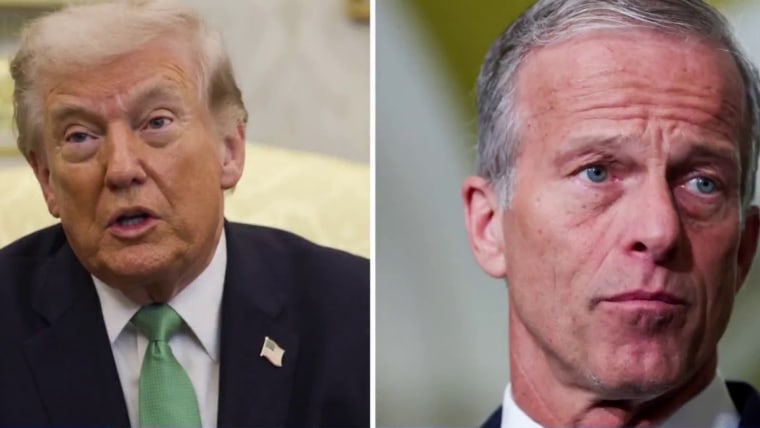
America’s wealth gap is growing, and Trump’s policies are making it bigger

This article is part of “Unaffordable America,” a series examining rising economic inequality in the U.S. and the policies that drive it.
How’s the economy?
Not bad if you’re rich.
Demand for luxury yachts and private jets is surging thanks to last year’s tax law. Sales of $10 million-plus mansions are booming as stocks hit new highs. And the wealthy and powerful will get to enjoy a new ballroom for galas at the White House.
What if you aren’t rich?
The typical American can’t afford the median-priced home. A new car is out of reach for many, with the average monthly payment exceeding $700. Food banks are seeing a growing number of people skipping meals because they can’t afford groceries, and more middle-class Americans are selling their plasma to make ends meet.
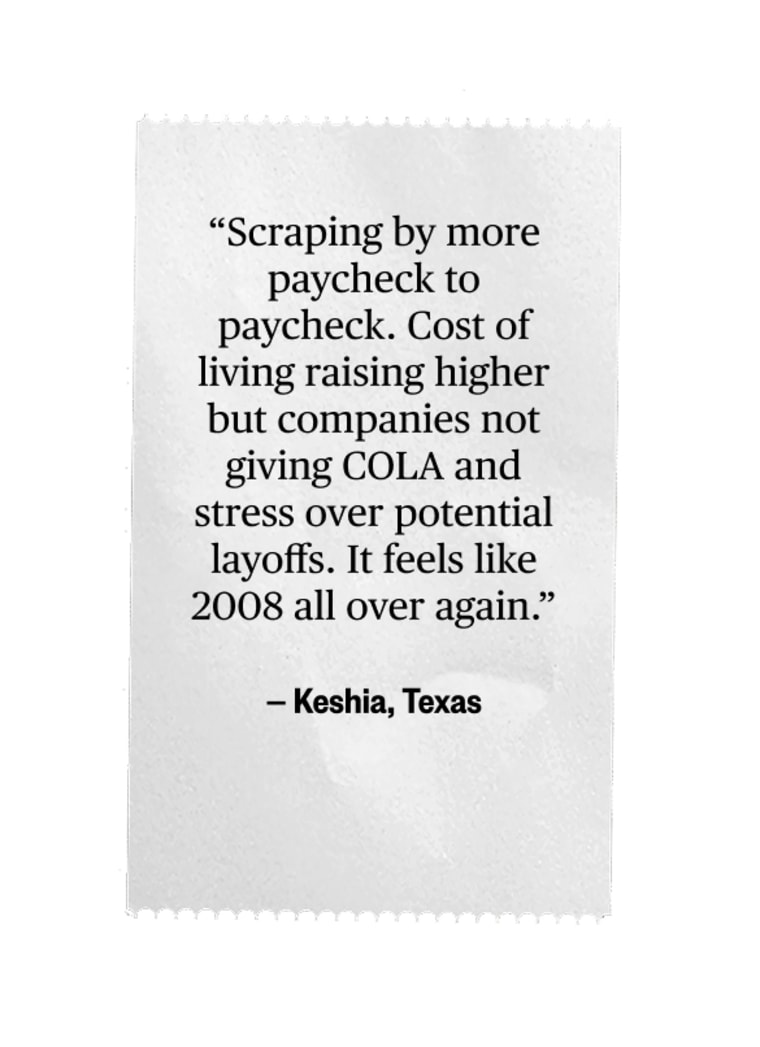
The divide between rich and poor in America is the widest it’s been in at least a generation — and growing. The amount of wealth held by the top 1% increased at more than double the rate of the bottom 90% in the first nine months of last year, according to Federal Reserve figures. At the very top, Elon Musk’s fortune is approaching that of legendary 19th-century businessman John D. Rockefeller when looked at as a share of the overall U.S. economy.
A variety of factors have shaped the struggles of everyday Americans and fueled the gains of the wealthy: The pandemic disrupted the housing market, making it harder to afford a home. Stocks have surged, driven by enthusiasm over AI. Manufacturing has waned, hiring has slipped and costs continue to rise.
President Donald Trump’s policies are amplifying these trends. One year into his second term, his administration has cut programs helping lower-income households while advancing policies benefiting the wealthy and corporations. He’s signed legislation to cut food stamps and Medicaid benefits and put new restrictions on low-income housing assistance and student loans. To cope with higher costs from tariffs, he has suggested Americans buy fewer dolls for their children.
Meanwhile, the Trump administration has given billions of dollars in tax cuts to corporations and the wealthy and loosened regulations on banks while easing rules around cryptocurrency, which he’s benefited from personally.
“Donald Trump talks a lot about the working class, his MAGA base is primarily working class, but if you look at the data, the working class is doing very badly in the second Trump administration,” said Robert Reich, a professor emeritus at the University of California, Berkeley, who led the Labor Department during the Clinton administration. “The real growth in the second Trump administration has been in corporate profits and in the wealth of the people at the top.”
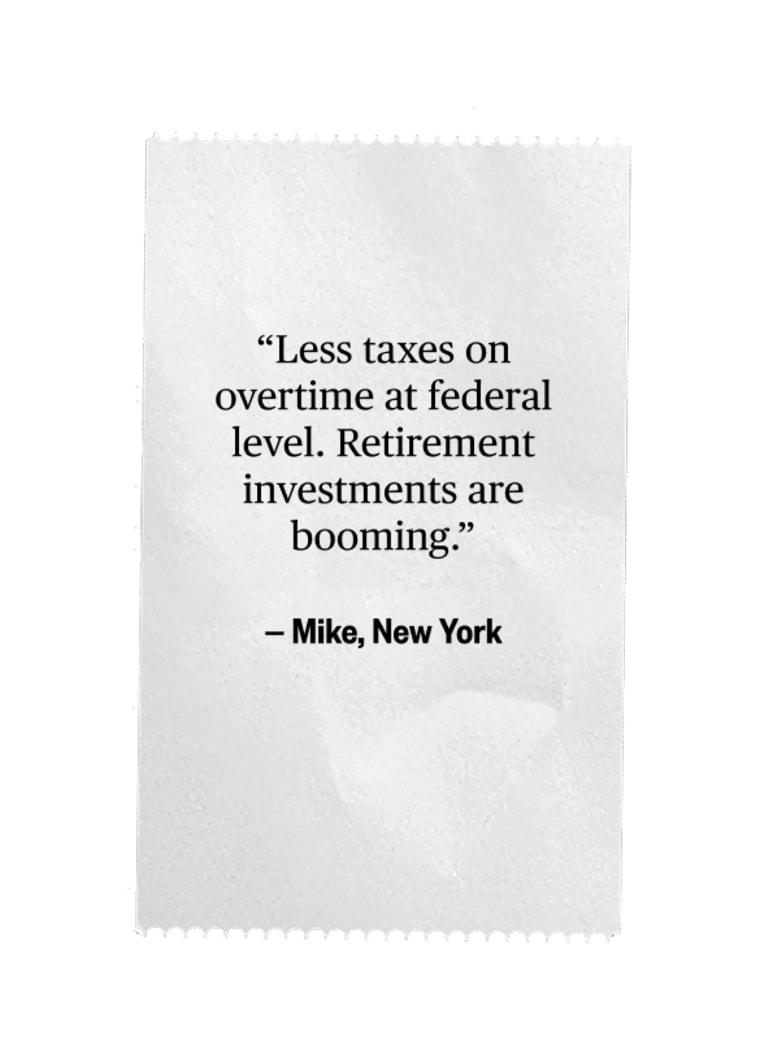
Trump has defended his economic record, referring to concerns over affordability as a hoax and blaming weakness in the economy on Democrats. He’s dismissed numerous polls showing increasing economic anxiety, saying in his State of the Union address in February that he has ushered in a “golden age of America.” As evidence, he cited rising 401(k) balances, a drop in mortgage rates and lower gas prices — though gas prices have since spiked after his attacks on Iran disrupted the global flow of oil. The S&P 500, fueled by an AI boom, grew around 13% during the first year of his second term.
Trump’s allies argue that, while it may take time, all Americans will benefit from last summer’s tax cuts, with the average refund rising by around $1,000 this year, according to data cited by the White House. They also say that Trump’s still-evolving tariffs will eventually boost U.S. manufacturing jobs, which declined last year, noting announcements by foreign governments and corporations about plans to invest in the U.S.
A White House official also pointed to signs of improvement, including a lower rate of inflation than in the past several years and wages that are rising faster than inflation.
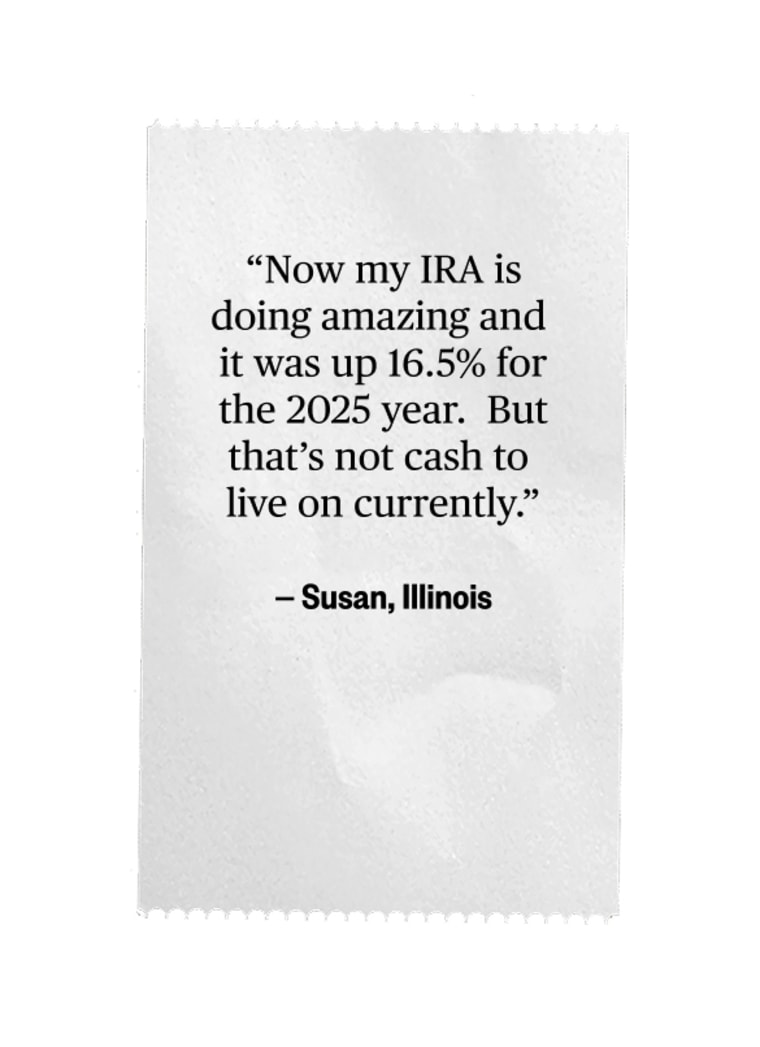
Some economists, including those who have served in past Republican administrations, have questioned whether those improvements will be enough to offset pressures elsewhere in the economy, including from a slowing job market, which shed 92,000 jobs in February across a broad range of industries.
For “Unaffordable America,” a yearlong series on the causes and effects of rising economic inequality, NBC News asked readers how they were faring and heard from hundreds of people. In interviews and written responses, many described struggling to find a job and afford higher food prices and health care costs, while others said they were benefiting from gains in the stock market and lower interest rates.