The Inherited Furniture Dilemma: 17 Ways to Honor Gifts Without Sacrificing Style
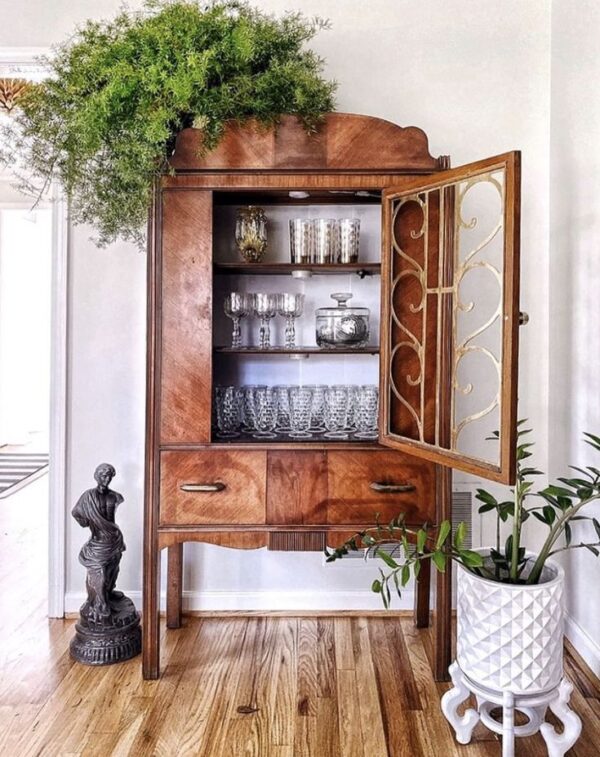
Most homes hold at least one object that wasn’t chosen , it was inherited. A China cabinet from your grandmother. A heavy bedroom set from your parents. A chair you never would have bought yourself, but could never give away. These pieces carry stories, love, and sometimes pressure. They ask to be kept , even when they don’t fit your style. This is the inherited furniture dilemma: how to respect emotional value without losing visual clarity or personal identity in your home.
This isn’t about rejecting meaningful objects. It’s about integrating them intentionally, so your space reflects both your history and your present. These 17 design strategies will help you honor what you’ve been given , while still creating a home that feels like yours.
1. Reframe the China Cabinet as a Display Gallery

A large inherited china cabinet can feel visually heavy, especially in modern interiors. Instead of filling it completely as it was originally used, treat it like a gallery. Edit what goes inside. Leave negative space. Mix heirloom dishes with books, ceramics, or modern objects. This prevents the piece from feeling frozen in time. By curating its contents, the cabinet becomes part of your design story , not just a preserved relic. The goal isn’t to recreate the past exactly, but to let the piece evolve with your present life.
2. Redefine the “Guilt Credenza”

Many people keep a sideboard or credenza out of obligation rather than love. Instead of forcing it into its original role, reconsider its function. A formal dining credenza can become a media console, entry storage, or even a workspace base. Changing how the piece is used helps separate emotional obligation from practical value. When inherited furniture becomes useful again, resentment fades. Function restores dignity , both to the object and to your relationship with it.
3. Making Peace With Mismatched Wood Tones

Inherited furniture rarely matches your existing finishes, which can make a space feel visually fragmented at first. Instead of trying to match everything perfectly, focus on creating harmony through repetition elsewhere. Use consistent wall colors, neutral textiles, or repeated materials like glass, metal, or linen. Over time, the different wood tones start to feel layered rather than mismatched. This creates a home that feels collected and personal, not staged or overly coordinated.
4. Redistribute the “Too Good to Donate” Chairs

Many inherited chairs fall into the category of being too meaningful or well-made to donate, but they often don’t work as a matching set. Instead of forcing them into one room, redistribute them throughout the home as individual accent pieces. A single chair can live in a bedroom corner, hallway, or reading nook where it feels intentional rather than awkward. When separated from their original set, these chairs stop looking like leftovers and start feeling curated. This approach preserves their emotional value while allowing your home to maintain balance and personal style.
5. Reposition Sentimental Art You Don’t Personally Love

Inherited artwork often carries emotional meaning even when it doesn’t match your personal taste. Instead of forcing it into your main living areas, reposition it in quieter, more private zones such as hallways, guest rooms, staircases, or home offices. These spaces still honor the piece without making it the visual focal point of your daily environment. You can also reframe the artwork in a simpler, more modern frame to help it integrate better. This approach respects the emotional value while allowing your primary spaces to reflect your own design identity and comfort.
6. Mix Heirloom Pieces With Modern Furniture for Balance

One of the most effective ways to integrate inherited furniture is to surround it with modern pieces that feel simple and clean. When everything in a room is traditional, it can feel dated. But when an heirloom sits beside contemporary furniture, it becomes a focal point instead of part of a time capsule. For example, an antique side table next to a modern sofa creates contrast that feels intentional and curated. This balance allows inherited pieces to keep their emotional value while helping your home reflect your current style and lifestyle.
7. Reupholster While Respecting the Original Form

Reupholstering allows you to keep the structure of a meaningful chair while updating its emotional tone. Choose fabrics that reflect your current home , neutral linens, textured weaves, or even subtle modern patterns. This preserves the piece’s presence while helping it belong visually. Reupholstery isn’t erasing history. It’s allowing the piece to continue living with you now, instead of staying trapped in its previous environment.
8. Softening the Passed-Down Bedroom Set

Large matching bedroom sets often feel overwhelming today. Instead of using every piece together, separate them. Keep the dresser but replace the nightstands. Use the mirror elsewhere. When pieces are dispersed, they lose their dated “set” feeling and become individual objects. This makes it easier to integrate into a modern home. Separation allows appreciation without visual overload.
9. Manage the “We Might Need It Someday” Pieces

Almost every home has inherited items kept out of precaution rather than love , furniture saved just in case. Instead of letting these pieces occupy active living areas, create a clearly defined long-term storage strategy. Use clean, dry, and organised storage spaces such as closets, under-bed containers, or labeled storage rooms. This allows you to keep the item without forcing it into daily visual life. Knowing the piece is safely stored reduces guilt while protecting your home from feeling crowded by objects that don’t serve your present lifestyle.
10. Balance Displaying and Hiding With Intention

Not every inherited object needs to be visible all the time. A healthy balance between displaying and hiding allows you to honor emotional items without overwhelming your space. Display the pieces that genuinely add beauty or meaning to your daily environment, and store others safely out of sight. Closed cabinets, memory boxes, and dedicated storage furniture help contain sentimental objects respectfully. This approach removes the pressure to turn your home into a permanent archive while still preserving your connection to meaningful possessions.
11. Modernize the Hardware

One of the simplest and most cost-effective ways to update inherited furniture is by replacing the hardware. Drawer pulls, knobs, hinges, and handles may seem like minor details, but they have a surprisingly powerful influence on how a piece is perceived. Ornate brass handles, porcelain knobs, or heavily decorative pulls can instantly date a dresser or cabinet, even if the structure itself is beautiful and well-made. By choosing streamlined replacements, such as matte black bar pulls, brushed brass knobs, or clear acrylic handles, you can bridge the gap between old and new. This small change respects the original craftsmanship while aligning the piece with your current design style
12. Curate Family Photos Into Intentional, Edited Displays

When family photos accumulate over time, they can easily overwhelm surfaces and make a space feel visually crowded. Instead of displaying every frame, curate a smaller selection and group them intentionally. A gallery wall, a single shelf, or one dedicated surface helps consolidate memories without scattering them throughout the home. This approach preserves emotional meaning while restoring visual calm. Editing photo displays doesn’t diminish their importance , it actually allows the most meaningful moments to stand out and be appreciated more fully.
13. Create a Dedicated “Heritage Corner”

A dedicated heritage corner allows you to honor inherited furniture without forcing it into your overall design. By grouping a meaningful piece with family photos, books, or modern decor, you create a purposeful display rather than visual clutter. This approach highlights the item’s story while keeping your home cohesive. It also transforms sentimental furniture into a curated feature, adding personality, depth, and emotional value to your space in a controlled, stylish way.
14. Letting One Piece Lead

When you inherit multiple meaningful items, it can feel like all of them deserve equal importance. But trying to display everything at once often creates visual and emotional clutter. Instead, choose one piece that truly resonates with you and allow it to become the focal point. Give it space around it so it can be appreciated fully, rather than surrounded by competing objects. This approach allows the furniture to feel intentional and honored, while freeing the rest of your home to reflect your present life. Sometimes, honoring one piece well is more meaningful than displaying everything.
15. Blend Through Color Harmony

Color harmony helps inherited furniture feel intentional rather than out of place. You can connect the piece to your room by repeating similar tones in pillows, rugs, or accessories. This creates visual cohesion without altering the furniture itself. When colors relate to each other, the piece naturally blends into the space, preserving its sentimental value while supporting a balanced, well-designed interior that reflects your personal style.
16. Refresh the Surroundings to Help Heirlooms Fit In

When an inherited piece feels out of place, the most respectful solution is often to update what surrounds it rather than changing the piece itself. Simple adjustments, like introducing modern artwork, updating lighting, adding a neutral rug, or incorporating contemporary accessories, can completely shift how the heirloom is perceived. These surrounding elements act as a bridge between past and present, helping the furniture feel intentional instead of outdated. This approach preserves the original character and emotional value of the piece while allowing it to exist comfortably within your current style, creating a home that feels both personal and visually balanced.
17. Rotating Heirloom Pieces Over Time

You don’t have to display every inherited piece all the time. Rotating items seasonally or occasionally allows you to appreciate them without permanent commitment. This prevents your home from feeling frozen in one emotional moment. It also gives you flexibility as your taste evolves. When pieces return after time away, they often feel meaningful again rather than burdensome. Rotation creates breathing room for both memory and personal growth.
Wrap Up
Inherited furniture carries more than function, it carries memory, identity, and emotional weight. The key is learning that honoring these pieces doesn’t mean freezing your home in the past. With thoughtful placement, respectful updates, and intentional editing, heirlooms can become part of a home that still reflects who you are today. It’s about balance, not sacrifice. For readers of Home Designing, this approach celebrates interiors that feel layered and personal, where history and modern life coexist naturally. When handled with care, inherited pieces don’t limit your style, they deepen it, adding meaning that no new purchase ever could.