Switchboard Failure: Why You Need an Emergency Electrician Fast
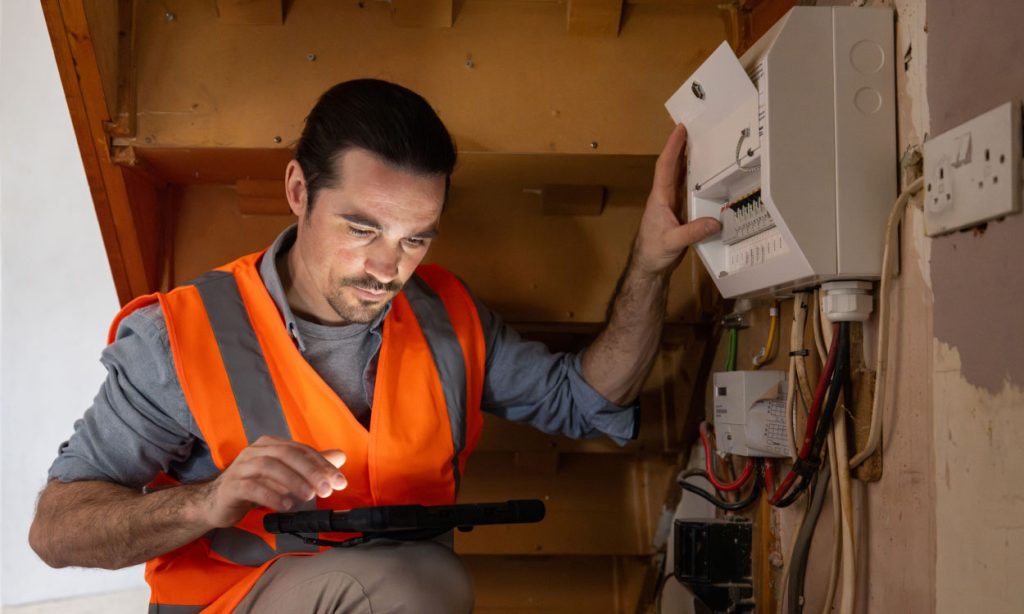
Your switchboard is the control centre of your electrical system. It distributes power throughout your home or business and protects circuits from overloads and faults. Every light, appliance, power outlet, air conditioning unit, and hardwired system ultimately runs through this single point. It is responsible not only for delivering electricity where it is needed, but for shutting it down instantly when something goes wrong.
When a switchboard fails, the risks go far beyond inconvenience. Electrical fires, equipment damage, extended power outages, and serious safety hazards can follow quickly. Because the switchboard connects directly to your main electrical supply, problems can escalate in minutes rather than hours.
If you suspect switchboard failure, calling an emergency electrician immediately is not an overreaction. It is often the safest and most responsible course of action.

What Is Switchboard Failure?
Switchboard failure occurs when components inside the board malfunction, overheat, deteriorate, or become physically damaged. This can affect a single circuit, multiple circuits, or the entire electrical system.
Modern switchboards include circuit breakers and safety switches designed to trip automatically when faults occur. These protective devices cut power in the event of overloads, short circuits, or earth leakage. However, even modern systems can fail if internal connections loosen over time, moisture enters the enclosure, corrosion develops, or circuits are consistently overloaded.
Older boards with ceramic fuses or outdated wiring are particularly vulnerable. They often struggle under today’s electrical loads and may not provide the same level of protection as contemporary systems. Many were installed decades ago, long before households relied on multiple televisions, home offices, ducted air conditioning, pool pumps, electric hot water systems, and electric vehicle chargers operating simultaneously.
Common signs of switchboard failure include:
- Burning smells near the board
- Buzzing or crackling sounds
- Flickering or dimming lights
- Frequent tripping breakers
- Visible scorch marks
- Power loss to multiple circuits
- Warm or hot switchboard panels
- Loose or damaged wiring
Any of these warning signs should be treated seriously. They often indicate overheating, failing breakers, poor internal connections, or electrical arcing occurring inside the board.
Why It Is Dangerous
Switchboards manage high electrical currents every day. When connections loosen or components degrade, electrical resistance increases. Increased resistance generates heat, and heat is one of the primary causes of electrical system failure.
Overheating can melt insulation and ignite surrounding materials. Electrical fires frequently originate inside switchboards due to overloaded circuits, deteriorated breakers, or poorly secured wiring. Because switchboards are typically mounted against walls, fire can spread rapidly into wall cavities before being detected.
In severe cases, exposed wiring or electrical arcing can present serious electrocution risks. Arcing faults generate extremely high temperatures capable of igniting timber framing, insulation, or nearby stored materials.
Because the switchboard is connected directly to the main supply, faults can escalate quickly. Unlike a faulty appliance that can simply be unplugged, switchboard issues affect the entire property. This is why delays can significantly increase risk.
Older Switchboards and Increased Risk
Many older properties still operate with outdated fuse panels instead of modern circuit breakers and safety switches. Some may contain asbestos backing boards, adding further complications during repairs or upgrades.
These older systems were not designed to handle today’s electrical demand, which includes induction cooktops, large air conditioning systems, solar inverters, home batteries, electric vehicles, and high-powered appliances running simultaneously.
Electrical standards across Australia have evolved significantly to improve safety. Modern regulations require safety switches on certain circuits to reduce the risk of electric shock. Upgrading an ageing switchboard improves safety, reliability, and compliance with current requirements.
If your board contains ceramic fuses, lacks safety switches, shows rust or corrosion, or has no clear circuit labelling, the risk of failure increases. Even if it appears to function normally, internal components may already be deteriorating.
When to Call an Emergency Electrician
Switchboard issues should never be postponed until convenient. Electrical faults rarely resolve themselves and often worsen with continued use.
You should consider calling an emergency electrician immediately if you notice:
- Smoke or burning smells
- Sparks or visible damage
- Sudden total power loss
- Repeated breaker trips without a clear cause
- Water entering or dripping into the switchboard
- A loud bang or popping sound from the board
- Breakers that will not reset
Attempting to reset breakers repeatedly without diagnosing the cause can make the situation worse. If a breaker trips, it is responding to a fault. Forcing it back on without understanding the underlying issue may increase heat build-up or cause additional internal damage.
An emergency electrician can safely isolate the power supply, assess the extent of the damage, and prevent further hazards from developing.
What an Emergency Electrician Will Do
When attending a switchboard failure, an emergency electrician will first isolate power safely to eliminate immediate danger. They will ensure the area is secure before beginning inspection.
They will then examine:
- Circuit breakers and safety switches
- Main switch connections
- Neutral and active wiring
- Earthing systems
- Busbars and terminals
Signs of overheating, corrosion, or moisture
Specialised testing equipment may be used to detect insulation breakdown, earth leakage, or voltage irregularities. The electrician will determine whether the issue is confined to a single circuit or affects the entire board.
Repairs may involve tightening loose connections, replacing faulty breakers, repairing damaged wiring, or recommending a complete switchboard replacement if the system is outdated or severely compromised.
If the board has sustained significant damage, temporary safety measures may be installed to restore essential circuits until a full upgrade can be completed.
The Cost of Delaying Repairs
Delaying switchboard repairs increases both risk and potential cost. A minor loose connection can progress into melted cabling, damaged appliances, or fire-damaged structural components.
Extended power outages can disrupt businesses, spoil refrigerated goods, affect security systems, and create unsafe conditions. Insurance claims related to electrical fires may also be scrutinised if known electrical faults were left unresolved.
Addressing switchboard problems early often limits repair costs, reduces downtime, and prevents wider system damage. Acting quickly is not only safer but often more economical in the long term.
Prevention Through Upgrades
If your switchboard is ageing or showing signs of stress, upgrading before failure occurs is a practical and proactive decision.
Modern switchboards include:
- Residual current devices for shock protection
- Circuit breakers for overload and short circuit protection
- Surge protection options
- Clear and accurate circuit labelling
- Improved load distribution
- Capacity for future electrical additions
Upgrading significantly reduces the likelihood of sudden failures and emergency callouts. It also ensures your electrical system can safely support future installations such as solar systems, battery storage, or electric vehicle chargers.
Safety First
Never attempt DIY repairs on a switchboard. Even when individual breakers are switched off, live components may still be present. Contact with exposed terminals can result in severe injury or fatal electrocution.
Only licensed professionals are legally permitted to carry out work on switchboards. If you notice warning signs, keep a safe distance, avoid touching the enclosure, and contact an emergency electrician without delay.
Final Thoughts on Switchboard Failure
Switchboard failure is not simply an inconvenience. It presents genuine fire, electrocution, and property damage risks if ignored.
Recognising early warning signs and responding promptly by calling an emergency electrician helps protect your property, your electrical equipment, and the people inside your home or workplace.
Electrical systems operate under significant load every day. Ensuring your switchboard is safe, compliant, and functioning correctly is one of the most important steps in maintaining a reliable and secure electrical environment. When warning signs appear, swift professional action is always the safest response.
The post Switchboard Failure: Why You Need an Emergency Electrician Fast appeared first on UK Home Improvement.