What Door Style Suits the Modern Home? 
When people think about designing a modern home, they often focus first on wall colours, furniture, and lighting schemes. These elements certainly play a major role in shaping the overall aesthetic.
However, one detail that quietly influences the entire space is the internal doors. Doors sit at the intersection of function and style. They are used constantly, seen from multiple angles, and connect every room in the home. The right door style can make your property feel open, bright, and carefully considered. The wrong choice, on the other hand, can introduce visual heaviness or make an otherwise contemporary space feel dated.
If you are renovating, extending, or building from scratch, choosing the right internal doors is more important than many homeowners initially realise. It is a decision that affects flow, light, and the overall cohesion of your interior.

The Quiet Design Feature That Shapes Modern Spaces
Internal doors do far more than provide privacy between rooms. They help control how light travels through your home, influence sightlines, and contribute to the architectural rhythm of your interior.
In modern homes, the design goal is usually clear: create a sense of simplicity, openness, and calm. Spaces are intended to feel uncluttered and purposeful rather than overly decorative. Because of this, every visible element, including doors, needs to support that vision.
Door style, colour, and finish should work in harmony with your flooring, wall treatments, and hardware choices. Heavy mouldings, ornate carvings, and busy panel work tend to feel out of place in contemporary settings. Instead, modern interiors favour:
- Smooth, uninterrupted surfaces
- Crisp, straight edges
- Subtle, intentional detailing
- A restrained, cohesive colour palette
When chosen carefully, internal doors can enhance the clean architectural language of a modern home rather than interrupt it.
Flush Doors: The Minimalist’s Go-To Choice
Flush internal doors remain one of the most popular and reliable choices for modern homes. Their defining feature is simplicity, with a completely flat surface and no panels, grooves, or decorative mouldings.
This minimalist profile aligns perfectly with contemporary interiors, where visual noise is kept to a minimum. Because the surface is uninterrupted, flush doors help rooms feel more streamlined and spacious, particularly in smaller properties or open plan layouts.
They are also highly versatile in terms of finish. Homeowners commonly choose:
- Crisp white for a bright, timeless look
- Soft grey for subtle modern warmth
- Matte black for bold contrast
- Natural wood veneer to introduce organic texture
Beyond aesthetics, flush doors are practical for everyday living. Their smooth surfaces are easy to wipe clean, they tend to be durable, and they require very little ongoing maintenance. This makes them especially well suited to busy family homes or high traffic areas.
Modern Panel Doors: Subtle Detail Without the Fuss
Traditional panel doors are often associated with more classic or period properties, typically featuring raised mouldings and decorative edging. Modern interpretations of panel doors offer a refined alternative that bridges classic structure with contemporary styling.
The key is simplicity of form. Instead of ornate profiles, modern panel doors favour:
- Slim, square edged panels
- Flat or lightly recessed detailing
- Strong vertical or horizontal lines
- Minimal moulding depth
A streamlined 3 panel or 4 panel configuration can introduce subtle architectural interest without overwhelming the space. This makes them ideal for homeowners who want a touch of visual detail while still maintaining a clearly modern feel.
These doors work particularly well in transitional interiors, which blend contemporary finishes with a hint of traditional structure.
Glazed Doors: Brighten and Open Up Your Home
One of the defining characteristics of modern homes is the emphasis on natural light. Bright, airy interiors tend to feel larger, calmer, and more inviting, and glazed internal doors can play a significant role in achieving this effect.
Doors that incorporate clear or frosted glass panels allow daylight to travel between rooms, helping to reduce dark corridors and enclosed feeling spaces. This is especially beneficial in:
- Hallways with limited windows
- Home offices
- Living areas connected to kitchens
- Smaller floor plans that need visual expansion
For a distinctly contemporary look, many homeowners opt for large glass panels paired with slim frames. Black framed glazed doors have become particularly popular, offering strong visual contrast while still maintaining a refined, architectural feel.
Frosted or reeded glass can also provide privacy where needed, such as in bathrooms or studies, without sacrificing light flow.
Sliding and Pocket Doors: Modern Solutions for Smarter Layouts
In modern interior design, efficient use of space is a major priority. Traditional hinged doors require clearance to swing open, which can limit furniture placement and disrupt flow in tighter areas.
Sliding internal doors and pocket doors offer a smarter alternative.
Sliding doors run along an external track, gliding neatly to one side. Pocket doors take this concept further by disappearing completely into the wall cavity when opened. Both options help to:
- Maximise usable floor space
- Improve room to room flow
- Support open plan living
- Create flexible zoning when needed
They are particularly effective between kitchens and living spaces, or between bedrooms and en suites, where homeowners may want the option to open up or close off areas depending on how the space is being used.
From a design perspective, their clean movement and minimal footprint align perfectly with modern living principles.
Sustainable Style: Bringing Reclaimed Materials Into Modern Homes
Today’s modern design is no longer focused solely on appearance. Sustainability has become an equally important consideration, with many homeowners actively seeking ways to reduce environmental impact while still achieving a polished, contemporary finish.
As a result, recycled and reclaimed materials are increasingly being incorporated into modern interiors. Elements such as reclaimed timber, recycled metals, and upcycled furniture can introduce character and texture while supporting more responsible material use.
Pallet wood, for example, is frequently repurposed across the home. It is commonly transformed into headboards, shelving units, coffee tables, and decorative wall features. When properly sanded, treated, and finished, pallet timber can add welcome warmth to minimalist spaces that might otherwise feel too stark.
This sustainability mindset can also influence your choice of internal doors. Reclaimed wood doors, or those manufactured from responsibly sourced timber, can pair beautifully with modern interiors. They introduce natural depth and authenticity while still maintaining the clean lines that contemporary homes require.
The key is balance. Recycled materials tend to work best when combined with simple forms and uncluttered layouts, allowing the texture and story of the material to stand out without overwhelming the overall design.
Finishing Touches: Colours and Hardware That Complete the Look
Colour plays a significant role in how well your internal doors integrate into a modern home. Contemporary interiors typically lean toward neutral, restrained palettes that support a calm and cohesive feel.
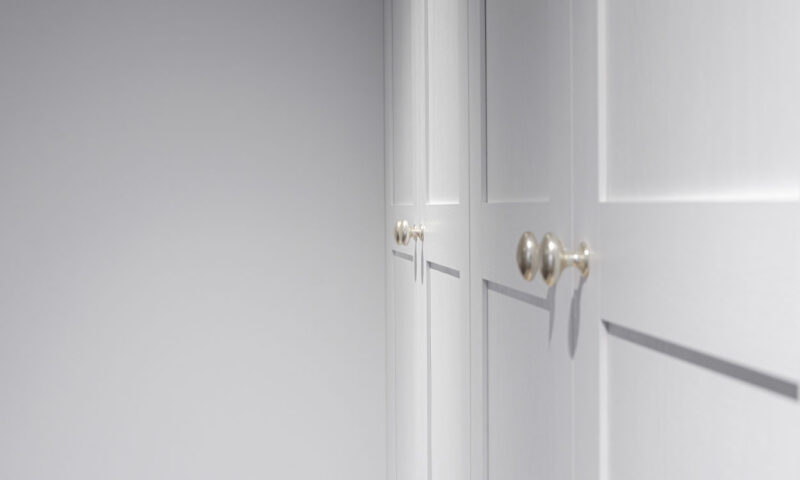
White internal doors remain a perennial favourite because they reflect light effectively and help rooms feel larger and more open. They also provide a versatile backdrop that works with almost any wall colour or flooring choice.
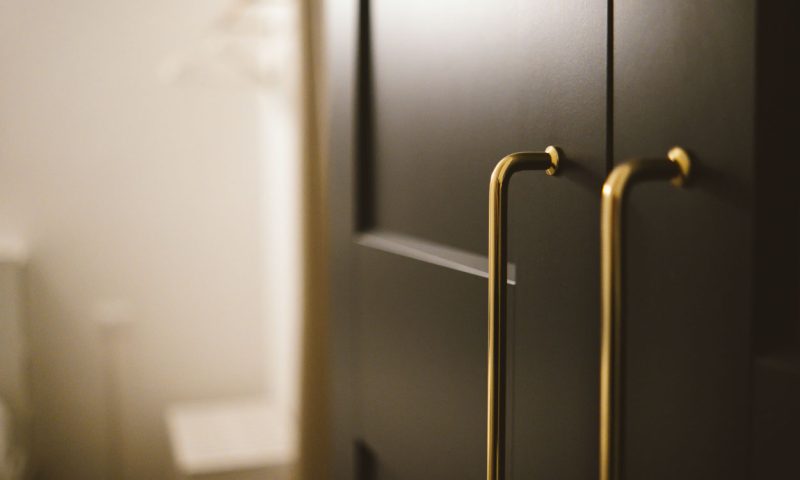
For homeowners looking to make more of a statement, darker finishes can be highly effective. Deep grey or matte black doors create strong visual definition and can add a sophisticated, architectural edge when used consistently throughout the property.
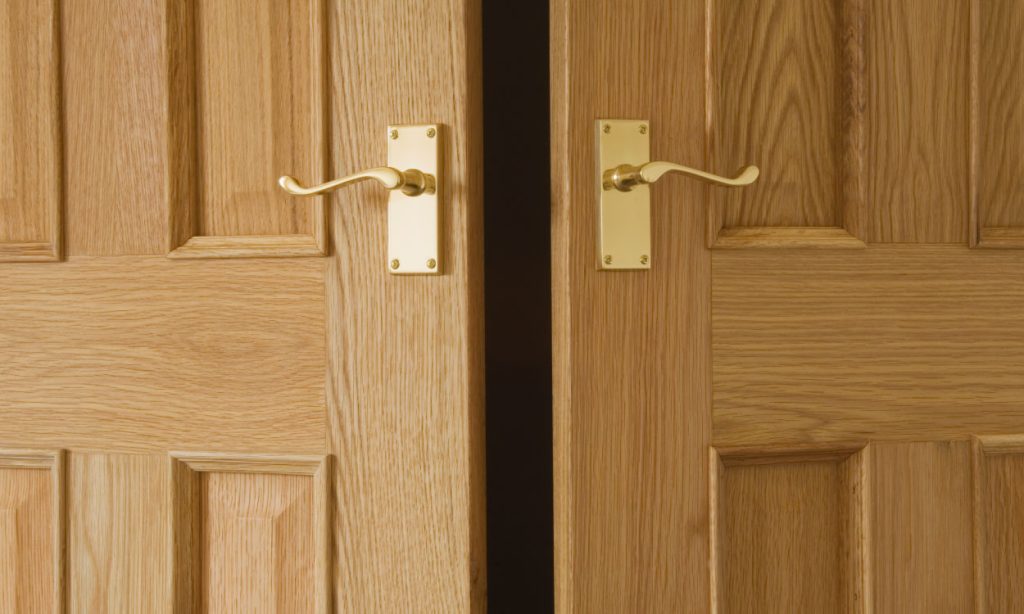
Natural wood finishes, particularly oak, also sit comfortably within modern schemes, especially when paired with minimal, contemporary hardware.
It is important not to overlook handles and fittings. In modern interiors, hardware should feel understated and purposeful. Finishes such as brushed steel, satin chrome, and matte black are especially popular because they complement clean-lined spaces without drawing unnecessary attention. By contrast, ornate or highly decorative handles tend to disrupt the streamlined aesthetic that modern homes aim to achieve.
Final Thoughts: Choosing Doors That Define Your Modern Home
When selecting internal doors for a modern home, the guiding principles are clarity, simplicity, and practicality. Focus on smooth surfaces, crisp lines, and how each door contributes to light flow and spatial harmony.
Whether you choose flush doors, streamlined panel designs, glazed options, sliding systems, or sustainably sourced materials, consistency across the home is what ultimately creates a polished result.
The right internal doors do far more than separate rooms. When chosen thoughtfully, they help define the atmosphere, improve functionality, and reinforce the clean, cohesive feel that modern living is all about.
The post What Door Style Suits the Modern Home?  appeared first on UK Home Improvement.