How Cooking Methods Affect the Nutritional Value of Food
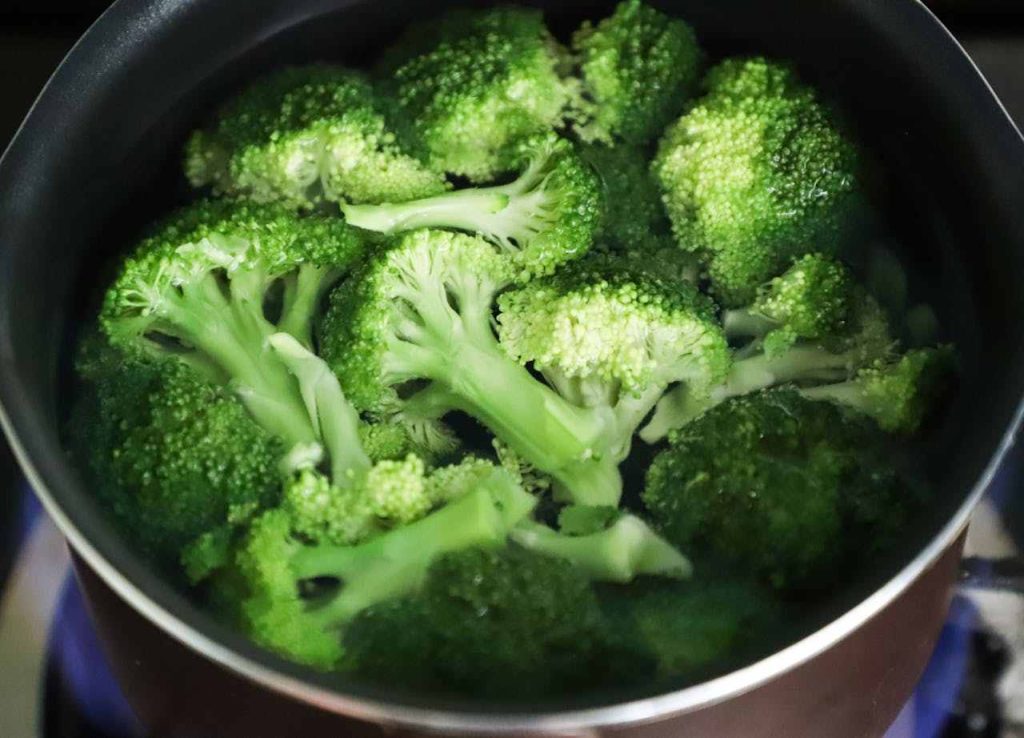
Cooking makes food safer, tastier, and easier to digest—but it can also change its nutritional value. The way food is prepared influences how many vitamins, minerals, and beneficial compounds remain on your plate. Understanding How Cooking Methods Affect the Nutritional Value of Food helps you choose techniques that preserve nutrients while still enjoying delicious meals.
Many people focus on what they eat but overlook how they cook it. Heat, water, cooking time, and added fats all play a role in nutrient retention. According to the World Health Organization, food preparation methods significantly influence diet quality and long-term health outcomes.
This comprehensive guide explains how common cooking methods impact nutrition and how to balance taste, safety, and nutrient preservation in everyday cooking.

Why Cooking Changes Nutritional Value
Cooking alters food through heat, moisture, and chemical reactions. While some nutrients are destroyed by heat, others become more available after cooking.
Cooking can:
-
Break down tough fibers, improving digestion
-
Destroy harmful bacteria
-
Increase absorption of certain antioxidants
-
Reduce or destroy heat-sensitive vitamins
This balance explains How Cooking Methods Affect the Nutritional Value of Food in both positive and negative ways.
Raw vs. Cooked Foods

Raw foods often contain higher levels of heat-sensitive nutrients like vitamin C and some B vitamins. However, cooked foods may offer better absorption of certain nutrients.
For example:
-
Cooking tomatoes increases lycopene availability
-
Cooking carrots improves beta-carotene absorption
-
Raw leafy greens retain more vitamin C
A mix of raw and cooked foods provides the greatest nutritional benefit.
Boiling and Nutrient Loss
Boiling is one of the most common cooking methods—but it often causes the greatest nutrient loss.
Water-soluble vitamins such as vitamin C and B vitamins can leach into cooking water. Long boiling times further increase losses.
How to reduce nutrient loss when boiling:
-
Use minimal water
-
Cook for the shortest time possible
-
Use leftover cooking water in soups or sauces
Steaming: One of the Healthiest Methods

Steaming cooks food using hot vapor rather than direct contact with water.
Benefits include:
-
Minimal nutrient loss
-
Preservation of color and texture
-
No need for added fats
Steaming is especially effective for vegetables like broccoli, spinach, and carrots, making it one of the best examples of How Cooking Methods Affect the Nutritional Value of Food positively.
Grilling and Broiling
Grilling and broiling use high heat and short cooking times.
Pros:
-
Retains minerals
-
Enhances flavor without added fats
Cons:
-
High temperatures can destroy some vitamins
-
Charring may create harmful compounds if overdone
Moderation and proper technique—such as avoiding burning—make grilling a healthier option.
Roasting and Baking

Roasting and baking use dry heat and moderate cooking times.
They:
-
Preserve minerals well
-
Enhance flavor naturally
-
Cause some loss of heat-sensitive vitamins
Using lower temperatures and shorter cooking times helps maintain nutritional value.
Sautéing and Stir-Frying
Sautéing and stir-frying involve cooking food quickly with small amounts of fat.
Nutritional effects include:
-
Improved absorption of fat-soluble vitamins (A, D, E, K)
-
Minimal nutrient loss due to short cooking times
Using healthy oils like olive oil supports overall nutrition.
Frying and Its Nutritional Impact
Frying exposes food to high heat and large amounts of oil.
Drawbacks include:
-
Destruction of heat-sensitive nutrients
-
Increased calorie density
-
Formation of unhealthy compounds
While frying can be enjoyed occasionally, it is not ideal for preserving nutrition.
Microwaving and Nutrient Retention
Microwaving often preserves nutrients better than boiling.
Why?
-
Short cooking times
-
Minimal water use
Microwaving vegetables with a small amount of water is an efficient way to retain vitamins while saving time.
Pressure Cooking
Pressure cooking uses high pressure and temperature but short cooking times.
Benefits include:
-
Reduced cooking time
-
Better retention of minerals
-
Improved digestibility
Pressure cooking is especially useful for legumes and whole grains.
Cooking Methods and Protein Foods
Protein foods are generally stable during cooking, but method matters.
Healthier approaches include:
-
Baking or grilling lean meats
-
Steaming or baking fish
-
Avoiding excessive charring
Overcooking protein can reduce digestibility and create harmful compounds.
Cooking Methods and Vegetables
Vegetables are most sensitive to cooking methods.
Best practices include:
-
Steaming instead of boiling
-
Light sautéing instead of deep frying
-
Eating some vegetables raw
Variety in preparation maximizes nutrient intake.
Best Cooking Methods for Nutrient Preservation
Overall, the most nutrient-friendly cooking methods include:
-
Steaming
-
Microwaving
-
Stir-frying with minimal oil
-
Pressure cooking
-
Light roasting
Balancing different methods supports both nutrition and enjoyment.
Frequently Asked Questions (FAQs)
1. Does cooking always reduce nutrition?
No. Some nutrients become more available after cooking.
2. Is raw food always healthier than cooked food?
Not always. A combination of raw and cooked foods is best.
3. Which cooking method preserves the most nutrients?
Steaming and microwaving generally preserve the most nutrients.
4. Is frying always unhealthy?
Frying is higher in calories and nutrient loss, but occasional intake is acceptable.
5. Does reheating food reduce nutrients?
Repeated reheating can reduce nutrients, especially vitamins.
6. Should I change cooking methods for better health?
Yes. Small adjustments can significantly improve nutrient retention.
Conclusion
Understanding How Cooking Methods Affect the Nutritional Value of Food allows you to make smarter choices in the kitchen without sacrificing taste. Cooking is not the enemy of nutrition—it’s the method and duration that matter most.
By favoring steaming, microwaving, stir-frying, and gentle roasting while limiting deep frying and overcooking, you can preserve more nutrients and support better long-term health. Healthy cooking is about balance, awareness, and enjoying food that nourishes your body.